

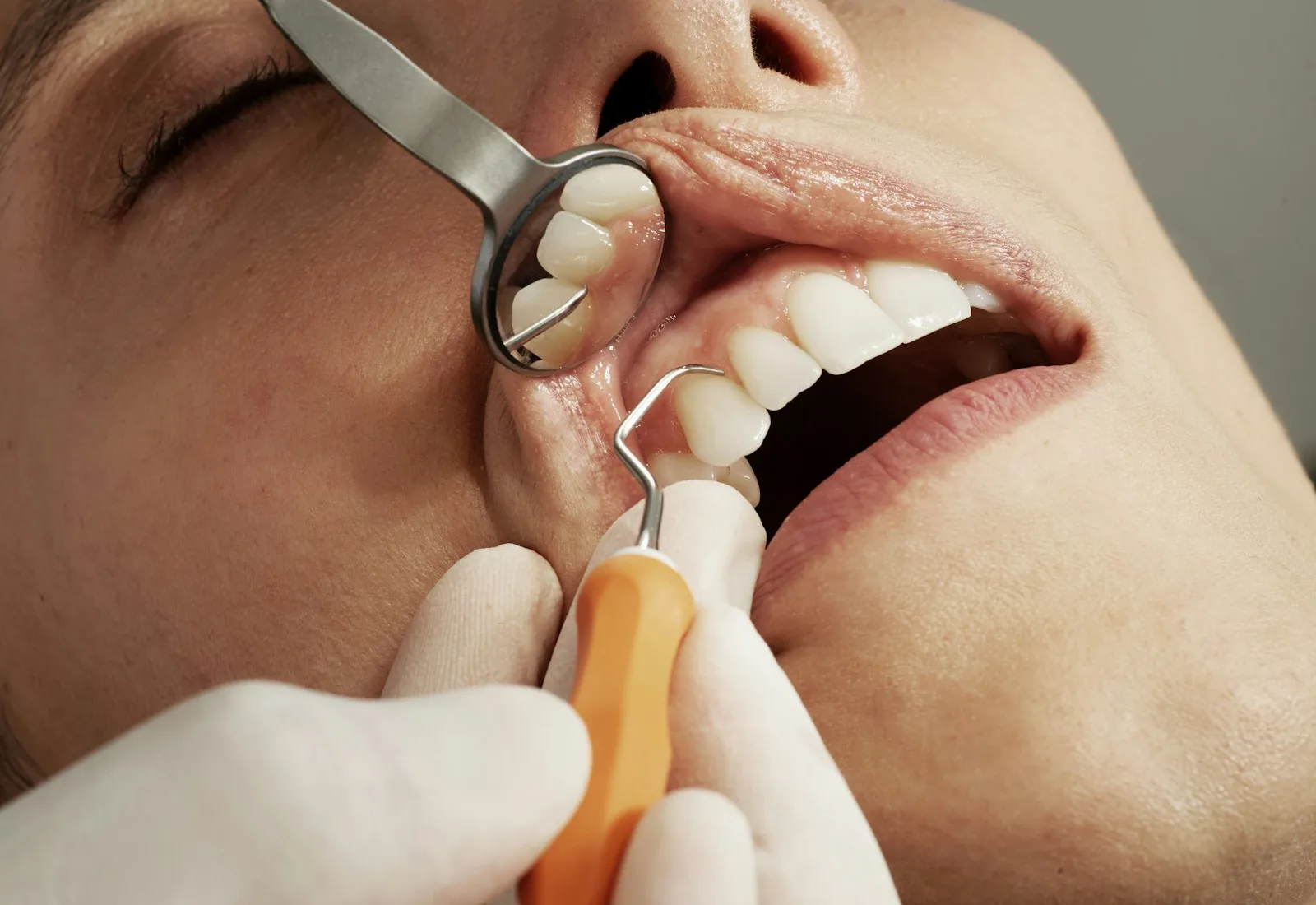
When faced with tooth loss, choosing the right dental restoration can be daunting. Two of the most popular options are dental implants and bridges, each offering unique benefits and considerations. Understanding the distinctions between these treatments can help you make an informed decision that best suits your needs and lifestyle.
Understanding Dental Implants
Dental implants are a long-term solution for replacing missing teeth. They consist of three main components: a titanium post that acts as the tooth root, an abutment that connects the post to the crown, and a custom-made crown that mimics the appearance of a natural tooth. Implants are surgically placed into the jawbone, providing a strong foundation for the replacement tooth.
Advantages of Dental Implants
- Durability: With proper care, dental implants can last a lifetime, making them a cost-effective choice in the long run.
- Bone Preservation: Implants stimulate the jawbone, preventing bone loss that often occurs with missing teeth.
- Natural Appearance: Custom crowns are designed to blend seamlessly with your existing teeth, offering a natural look and feel.
- Enhanced Functionality: Implants restore full chewing ability, allowing you to enjoy your favorite foods without worry.
Exploring Dental Bridges
A dental bridge is a fixed appliance used to replace one or more missing teeth by anchoring to adjacent teeth. Typically made of porcelain, gold, or a combination of materials, bridges are designed to fill the gap left by missing teeth. They rely on the support of the neighboring teeth, which may require some alteration to accommodate the bridge.
Benefits of Dental Bridges
- Less Invasive: The procedure for placing a bridge is generally less invasive than that for implants and can often be completed in just a few visits.
- Shorter Treatment Time: Patients can often receive their bridges more quickly than the multi-step process required for implants.
- Cost-Effective: Bridges may be a more affordable option in the short term, especially if you are looking for immediate restoration.
Factors to Consider
When deciding between dental implants and bridges, several factors should be taken into account:
- Oral Health: Your overall oral health and the condition of your jawbone can influence your options. Sufficient bone density is crucial for implants.
- Longevity: Consider how long you intend to keep your restoration. Implants may be a better choice for long-term solutions.
- Time and Commitment: Evaluate the time you can dedicate to the treatment process. Bridges may be a quicker solution, while implants require more time for healing and integration.
- Budget: Assess your financial situation. While implants can be more expensive upfront, they often prove to be more cost-effective over time.
Making the Right Choice
Ultimately, the choice between dental implants and bridges depends on your personal preferences, dental needs, and lifestyle. Consulting with a dental professional, like those at Parsons Smile Center, can provide you with the guidance necessary to choose the option that aligns with your goals. They will assess your oral health, discuss your options in detail, and help you make a well-informed decision.
Both dental implants and bridges offer valuable solutions for restoring your smile and confidence. By understanding their differences and benefits, you can take the first step toward enhancing your oral health.
We invite you to book an appointment at Parsons Smile Center today. Let us help you explore your options and find the perfect solution for your unique dental needs.